
Smoke odor doesn’t just sit on surfaces, it penetrates them. The particles that carry that acrid, burnt smell are submicron in size, which means they work their way into drywall, insulation, HVAC ductwork, wood framing, and fabric at a molecular level. Professional smoke odor removal works because it addresses all of those layers simultaneously, using equipment and chemistry that simply aren’t available at a hardware store. DIY methods, candles, sprays, baking soda, even ozone machines rented from a big-box store, almost always mask the odor temporarily rather than eliminating it. Here’s why the difference matters, and what the professional process actually looks like.
Why Smoke Odor Is So Hard to Eliminate
When something burns, it releases thousands of chemical compounds, aldehydes, phenols, acrolein, polycyclic aromatic hydrocarbons, suspended in tiny particles of soot and ash. Those particles don’t float around and then disappear. They follow air currents into every cavity in your home and then settle, bonding to whatever surface they land on.
In Las Vegas, that problem is compounded by the desert climate. Low humidity causes materials like drywall and wood to be drier and more porous than they’d be in, say, a coastal city. Dry materials absorb smoke particles more readily, and the heat, especially in summer, when attic temperatures can exceed 150°F, bakes those compounds deeper into structural materials.
The result is a smell that seems to disappear for a few days after you clean, then returns. That’s not your imagination. You removed the surface layer, but the particles embedded in the substrate are slowly off-gassing back into the room. Every time the temperature rises or the HVAC kicks on, you get another wave.
What Professionals Actually Do
A certified smoke odor remediation process is not a single step, it’s a sequence, and skipping any part of it is why DIY attempts fall short.
1. Scope and document the affected area. Before any cleaning begins, technicians identify every surface and cavity that smoke reached. This includes inside wall cavities (accessed through outlets and switch plates), HVAC ducts, attic spaces, and crawlspaces. In a house fire, smoke can travel through the entire duct system within minutes, meaning rooms that never saw flames can carry heavy odor.
2. Remove unsalvageable materials. Porous materials that have absorbed heavy smoke, certain insulation types, heavily saturated drywall, carpet padding, often can’t be cleaned to an acceptable standard. Removing them eliminates a major reservoir of odor before any deodorization begins.
3. HEPA vacuuming and dry soot removal. Loose soot is removed with HEPA-filtered equipment before any wet cleaning. Wiping soot before vacuuming it drives particles deeper into porous surfaces and can smear it across areas that weren’t affected.
4. Chemical cleaning with pH-matched agents. Different surfaces require different chemistry. Protein smoke (from cooking fires or electrical fires) requires alkaline cleaners. Wood and paper smoke responds better to different formulations. Using the wrong cleaner can set the stain and odor rather than lift it.
5. Thermal fogging or hydroxyl treatment. This is the step that most separates professional work from anything a homeowner can replicate. Thermal foggers heat a deodorizing solution into particles that match the size of smoke particles, allowing the deodorant to penetrate the same surfaces the smoke reached, inside wall cavities, behind baseboards, into upholstery fibers. Hydroxyl generators use UV light to produce hydroxyl radicals that chemically break down odor-causing molecules at the molecular level. Neither piece of equipment is practical for home use.
6. Ozone treatment (when appropriate). Ozone is a powerful oxidizer that destroys odor molecules, but it requires the structure to be completely vacated, it’s harmful to people, pets, and plants. Professional technicians control concentration levels and exposure time carefully. The rented ozone machines available to consumers run at lower concentrations and without the controlled protocols that make the treatment effective.
7. Encapsulation sealing. On surfaces that can’t be replaced, wood framing, concrete block, some subfloors, an odor-blocking sealant is applied as a final barrier. This locks in any residual compounds that survived the cleaning process.
Why DIY Usually Fails
Most DIY smoke odor removal stalls at step three or four of that sequence and never reaches the penetrating treatments that do the real work.
- Scented sprays and candles add a competing smell on top of the smoke. The smoke is still there.
- Baking soda and vinegar are mild deodorizers that work on surface odors. They have no penetrating ability.
- Rented ozone machines can help with light odors, but without proper concentration control and dwell time, they rarely reach the embedded particles in walls and ductwork. Improper use can also leave behind ozone residue that irritates airways.
- Repainting over smoke-damaged walls without sealing first is one of the most common mistakes. Standard latex paint does not block smoke odors, within weeks, the smell bleeds back through the new paint.
There’s also a practical issue: smoke odor assessment requires knowing what you’re looking for. A homeowner walking through a smoke-damaged house often can’t identify the secondary contamination in the HVAC system or the smoke that traveled into the attic. Professionals use equipment like thermal cameras and air quality meters to find what the nose misses.
When to Stop DIYing and Call a Professional
Not every smoke situation requires full professional remediation. A single burned pot that smoked up a kitchen for ten minutes is different from a room fire.
Call a professional when:
- The odor persists after 48–72 hours of ventilation and surface cleaning.
- You can see visible soot deposits on walls, ceilings, or inside HVAC vents.
- The fire involved synthetic materials (plastics, foam, wiring insulation), these produce particularly toxic residues that carry health risks beyond just smell.
- The HVAC system ran during or after the fire, which distributes smoke particles throughout the entire duct network.
- You’re preparing to sell the property, smoke odor is a disclosure issue in Nevada, and buyers’ inspectors are trained to find it.
For anything beyond a minor, contained incident, the cost of professional remediation is almost always less than the cost of repainting, replacing flooring, and re-cleaning after a DIY attempt didn’t hold.
What the Recovery Timeline Looks Like
For a moderate smoke event, a contained room fire or significant smoke damage without structural loss, professional remediation typically runs two to five days on-site, depending on the size of the affected area and the materials involved. HVAC duct cleaning, if needed, is usually scheduled as a separate step after the structural work is complete.
After remediation, there’s typically a clearance check, either a professional air quality test or a simple nose-test walkthrough, before reconstruction begins. If the home is part of an insurance claim, the remediation company will document every step with photos, moisture readings, and material logs for the adjuster.
The smell that comes back a week after you thought it was gone is the clearest sign that the source wasn’t fully addressed. Getting it right the first time means not living through that cycle twice.
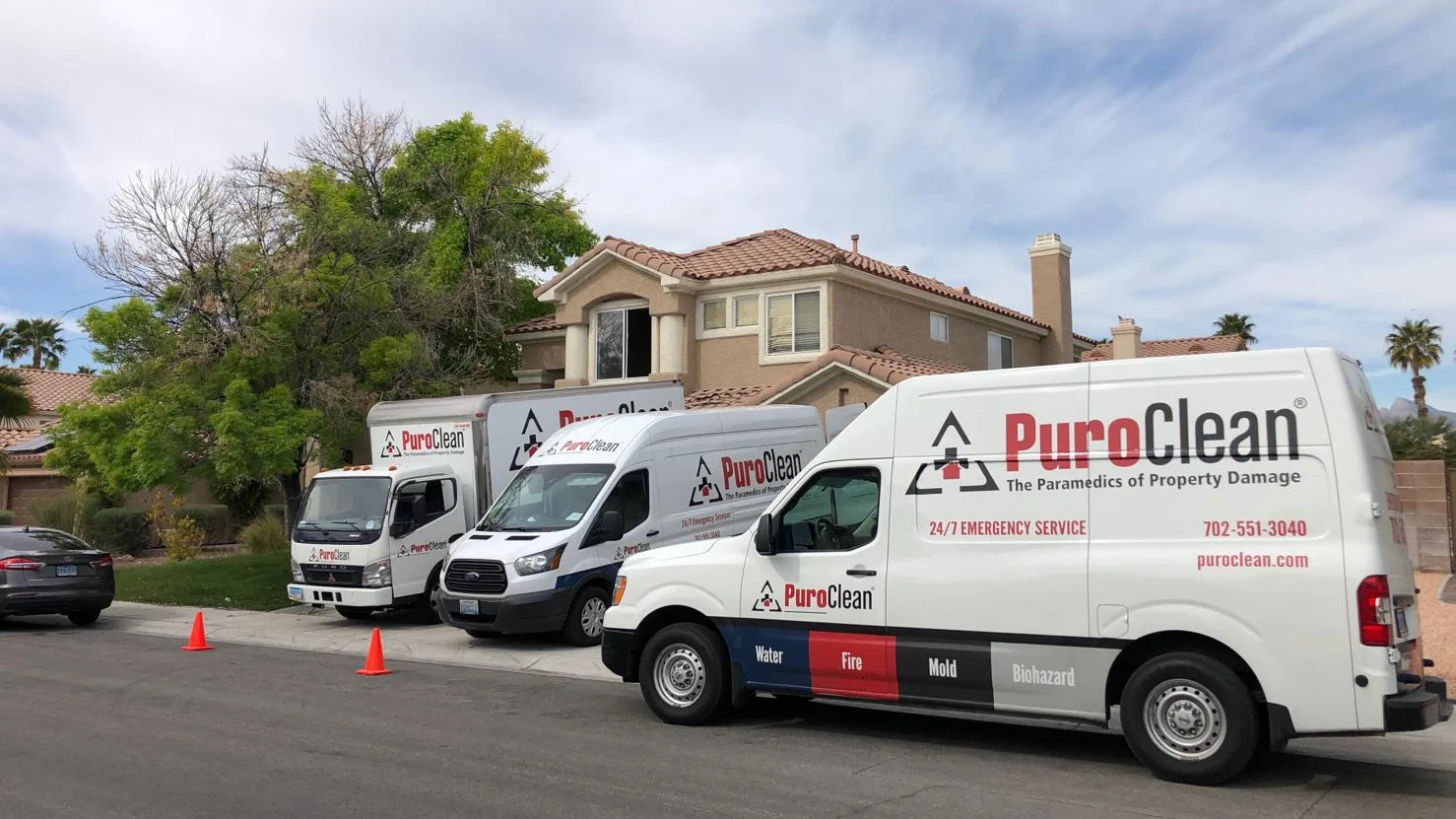
If you’re dealing with persistent smoke odor in a Las Vegas home or property and the smell keeps coming back despite cleaning, the issue is almost certainly embedded deeper than surface treatments can reach. PuroClean of East Las Vegas handles smoke and fire damage remediation and can assess whether the situation calls for professional intervention, reach them at (702) 551-3040.