
Before you pick up the phone to file a storm damage claim, walk through your property and do four things: photograph everything, write down what happened and when, separate immediate safety hazards from items that can wait, and get a rough category of damage (roof, water intrusion, wind, hail) clear in your head. Insurers process claims faster and more fairly when the homeowner calls in organized rather than reactive. This checklist walks through exactly what to document, what to avoid saying or doing, and when storm damage has crossed the line from “I can handle this” to “I need a restoration crew on-site.”
What Storm Damage Actually Looks Like in the Las Vegas Valley
Storm damage here doesn’t usually mean weeks of steady rain. It means a monsoon cell dumps an inch of rain in under an hour, water finds every gap in a roof or stucco wall that’s been baking dry for months, and it’s inside your drywall before you’ve finished watching the storm roll through. Flash flooding from wash overflow and street drainage backup is common in older neighborhoods and anywhere near a dry wash. Wind-driven debris, loosened roof tile, and hail on vehicles and skylights round out the usual claim types. Because many homes here have tile or flat built-up roofing not designed for sustained water load, a single storm event can produce damage that isn’t obvious from the ground. That’s the gap this checklist is meant to close before an adjuster ever shows up.
The Checklist: Do This Before You Call Your Insurer
- Photograph and video everything, in that order. Walk the exterior first, then each affected interior room. Shoot wide shots for context and close-ups of specific damage: cracked tile, a water stain spreading across a ceiling, debris embedded in siding. Timestamp matters, so if your phone doesn’t auto-stamp, hold a dated newspaper or your phone’s lock screen in frame for the first shot of each room.
- Note the timeline. Write down the date and approximate time the storm hit, when you first noticed damage, and anything else happening at the time (power outage, a tree coming down, water pooling at a specific entry point). Adjusters ask for this and vague answers slow the claim.
- Stop active damage if you can do so safely. Move furniture away from a leak, place buckets under active drips, tarp a hole you can safely reach from the ground. Document the damage first, then mitigate. Insurers expect you to prevent further loss, but that doesn’t mean climbing a wet roof.
- Pull your policy and find the storm/wind/flood language. Most homeowner policies cover wind and hail but flood damage (water that rises from the ground, including wash overflow) is often a separate policy entirely. Know which one applies before you call, so you’re not caught off guard by the distinction.
- List damaged personal property separately from structural damage. Furniture, electronics, and flooring go on one list with estimated age and value; structural issues (roof, drywall, framing) go on another. This split speeds up how the claim gets routed internally.
- Check for a filing deadline. Many policies specify a window, sometimes as short as a few days, to report storm damage. Don’t wait a week to “see if it dries out.”
What Not to Do
- Don’t start full repairs before the adjuster inspects, or before you have thorough photo documentation. Mitigation (tarping, stopping active water) is expected. Replacing drywall or ripping out flooring before the claim is documented can give the insurer grounds to dispute the extent of damage.
- Don’t guess at cause. If you’re not sure whether water came from wind-driven rain, a roof failure, or ground flooding, say what you observed, not what you think caused it. Cause determination is the adjuster’s and often an engineer’s job, and a wrong guess on a recorded call can complicate coverage.
- Don’t throw away damaged materials right away. Insurers may want to see the damaged carpet, drywall, or insulation, even if it’s unsalvageable. Bag it, photograph it, and ask your adjuster before hauling it to the curb.
- Don’t ignore hidden moisture because the surface looks dry. Drywall and framing can read dry to the touch within a day or two while the material behind it stays wet. A storm event from last week can still be actively growing mold behind a wall that looks fine today.
When to Call a Restoration Professional
Call before you call your insurer if any of the following are true: water has reached ceiling or wall cavities, standing water is still present more than a few hours after the storm, you can smell a musty or mildew odor, or the damage affects more than one room. A restoration company can document moisture levels with a meter, not just a visual guess, and that documentation becomes part of your claim file, which strengthens your position with the adjuster rather than complicating it.
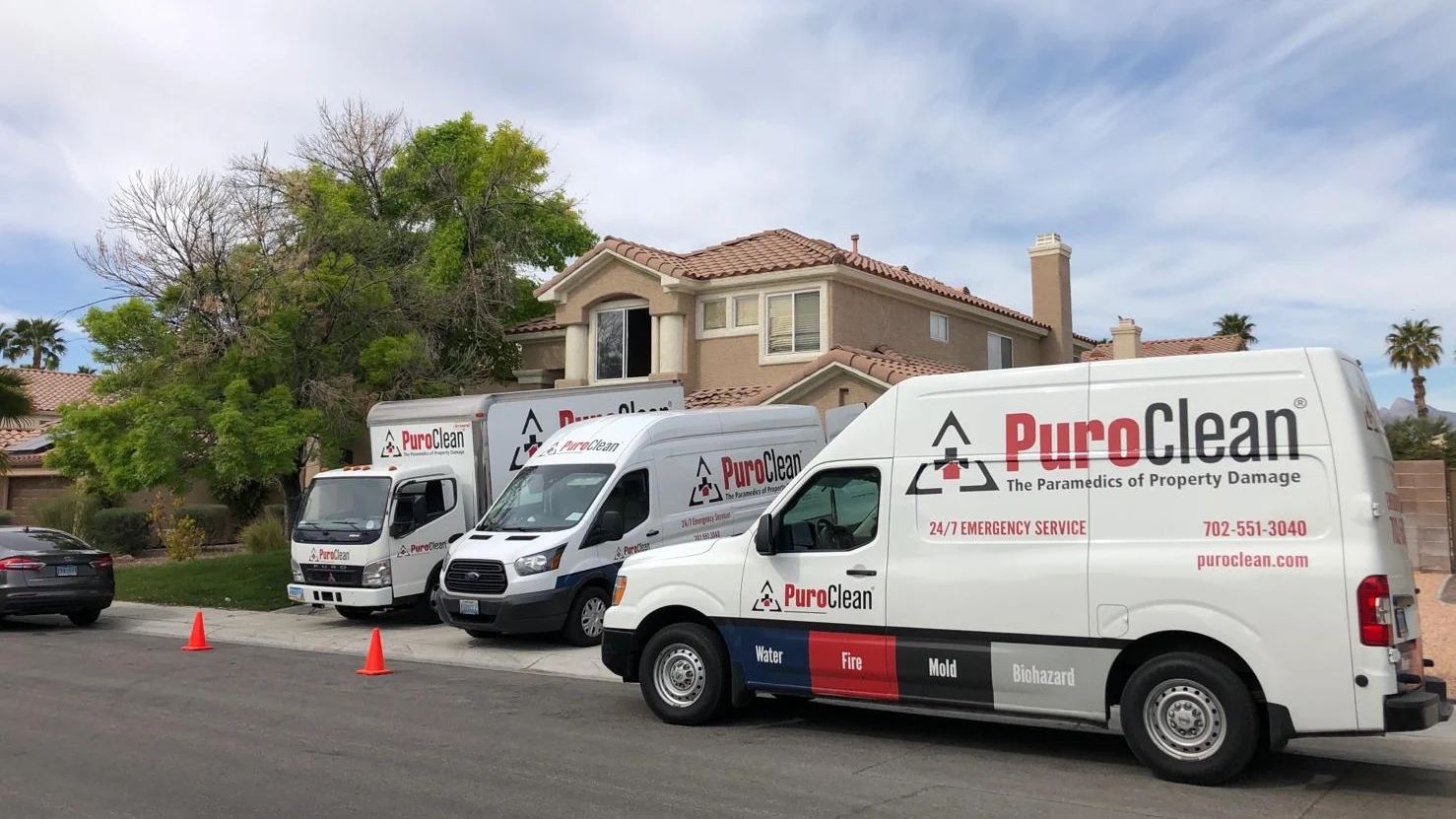
PuroClean of East Las Vegas handles storm damage restoration for Las Vegas homes and can assess moisture intrusion, structural drying needs, and whether materials are salvageable before you make repair decisions you can’t undo. Getting a professional assessment early also means the drying and mitigation work is documented with the kind of detail insurers expect, which can shorten the back-and-forth on your claim. Call +17025513040 if you’re not sure whether what you’re looking at is cosmetic or structural, because that distinction is hard to make from the ground floor looking up at a water-stained ceiling.
The Recovery Process After the Claim Is Filed
Once your claim is filed, expect an adjuster to schedule an inspection, usually within a week or two depending on storm volume in the area (a widespread monsoon event can mean every adjuster in the valley is booked solid). Keep your own documentation even after the adjuster visits, since their report and yours sometimes diverge on scope. If structural drying is needed, that process typically runs several days and is measured with moisture meters, not by how a wall looks or feels, following industry drying standards rather than a fixed calendar. Repairs can’t reasonably start until materials read dry, because closing up a wall over damp framing just sets up a mold problem for later. Keep every receipt from temporary repairs, hotel stays if you’re displaced, and mitigation work. Those are often reimbursable under your policy’s additional living expenses or emergency mitigation coverage, but only if you can show the paperwork.
If you’re standing in a storm-damaged room trying to decide what to photograph first, start with the active damage, the source if you can see it, and anything compromised structurally. The rest of this checklist will still apply after that first set of photos is safely in hand. If you want a second set of eyes before you finalize what goes in the claim, PuroClean of East Las Vegas can walk the property with you and point out what the camera might miss.