
TL;DR: Fire damage restoration in Spring Valley, NV typically begins within hours of a fire being extinguished. A certified crew secures the structure, removes soot and smoke residue, dries water from firefighting efforts, and rebuilds affected areas. Most homeowners insurance policies cover the full scope when the loss is documented correctly. The sooner mitigation starts, the less secondary damage you face from smoke penetration and moisture.
If you just had a fire at your home in Rhodes Ranch, Peccole Ranch, or anywhere in the Spring Valley area, the next 24 to 48 hours are the most critical window in your recovery. Smoke odor and soot residue continue damaging surfaces long after the flames are out, and the water left behind by fire suppression creates its own mold risk if it sits. This guide walks you through what happens, what to expect from your insurance claim, and how to protect your property right now.
What Does Fire Damage Restoration Actually Involve?
Fire damage restoration is a multi-phase process that addresses structural damage, soot and smoke residue, water from firefighting, and odor. It is not a single cleanup visit. A full restoration job typically runs from initial emergency stabilization through final reconstruction, and each phase requires different equipment and expertise.
Here is what a standard fire restoration job looks like from start to finish:
- Emergency board-up and tarping. If windows, doors, or the roof were compromised, the first priority is securing the structure against weather and unauthorized entry. Spring Valley properties are exposed to the desert sun and monsoon season, both of which can accelerate secondary damage quickly.
- Water extraction and drying. Firefighting leaves significant water behind. Before soot work begins, crews extract standing water and deploy air movers and LGR dehumidifiers to dry affected materials. Skipping this step leads to mold growth within 24 to 72 hours.
- Soot and smoke residue removal. Soot is acidic. Left on walls, ceilings, and contents, it etches surfaces and permanently discolors them. Technicians use dry chemical sponges, HEPA vacuums, and specialized cleaning agents matched to the surface type.
- Odor elimination. Smoke odor penetrates porous materials including drywall, insulation, wood framing, and soft contents. Effective odor removal uses thermal fogging, hydroxyl generators, or ozone treatment depending on the materials involved. Masking sprays do not work.
- Contents pack-out and restoration. Salvageable furniture, clothing, documents, and personal items are inventoried, packed out, and restored off-site where possible. This is handled under contents restoration and pack-out protocols.
- Structural reconstruction. Once the structure is clean, dry, and deodorized, rebuild begins: drywall, flooring, cabinetry, paint, and any structural repairs.
For a deeper look at each phase, see The Fire Damage Restoration Process, Explained.
Will Homeowners Insurance Cover Fire Damage in Spring Valley?
Yes. Fire is one of the most consistently covered perils in a standard homeowners insurance policy. Unlike water damage claims, which often hinge on the cause of loss, fire damage from an accidental or unintentional fire is almost always covered under the dwelling and personal property sections of your policy.
Here is what the typical claim covers:
- Dwelling coverage (Coverage A): Structural repairs including framing, drywall, roofing, flooring, and built-in fixtures.
- Personal property (Coverage C): Furniture, appliances, clothing, and other contents damaged or destroyed by fire, smoke, or firefighting water.
- Additional living expenses (Coverage D): Hotel and meal costs if your home is uninhabitable during restoration. Keep every receipt.
- Smoke and water damage: Both are covered as part of the fire loss, not as separate claims.
What can complicate a claim: delayed reporting, insufficient documentation of pre-loss contents, or allowing unauthorized contractors to begin work before the adjuster documents the damage. A professional restoration crew will photograph and document everything before touching a surface, which protects your claim.
For cost context specific to Nevada, see How Much Does Fire Damage Restoration Cost in NV? (2026).
How Quickly Does Fire Damage Get Worse After the Fire Is Out?
Fire damage continues to worsen for days after the fire is extinguished. Soot is chemically active: within 24 hours it begins to permanently stain porous surfaces. Within 48 to 72 hours, the water left by suppression efforts creates conditions for mold growth. Within a week, smoke odor bonds deeply into framing and insulation, making it significantly harder and more expensive to remove.
The timeline matters for Spring Valley properties specifically. The Las Vegas Valley’s heat accelerates moisture evaporation in some materials while driving it deeper into others. Homes in the Chinatown corridor and surrounding subdivisions often have stucco exteriors and wood-frame interiors that absorb smoke odor quickly. The faster mitigation begins, the more of the structure can be saved rather than replaced.
The IICRC publishes standards for fire and smoke restoration (the S700 standard) that guide how certified technicians prioritize and sequence this work. When you are evaluating a restoration company, ask whether they follow IICRC S700 protocols.
What Should You Do in the First Hour After a Fire?
The first hour after a fire is cleared by the fire department sets the tone for your entire recovery. Here is what to prioritize:
- Do not re-enter until the fire department clears the structure. Structural damage from fire is not always visible. Let the fire marshal do their walk-through first.
- Call your insurance company to open a claim. You do not need a contractor quote first. Open the claim, get a claim number, and ask whether your policy has a preferred vendor list or whether you can choose your own contractor.
- Document everything you can safely photograph from outside. Exterior damage, smoke staining on windows, visible structural compromise.
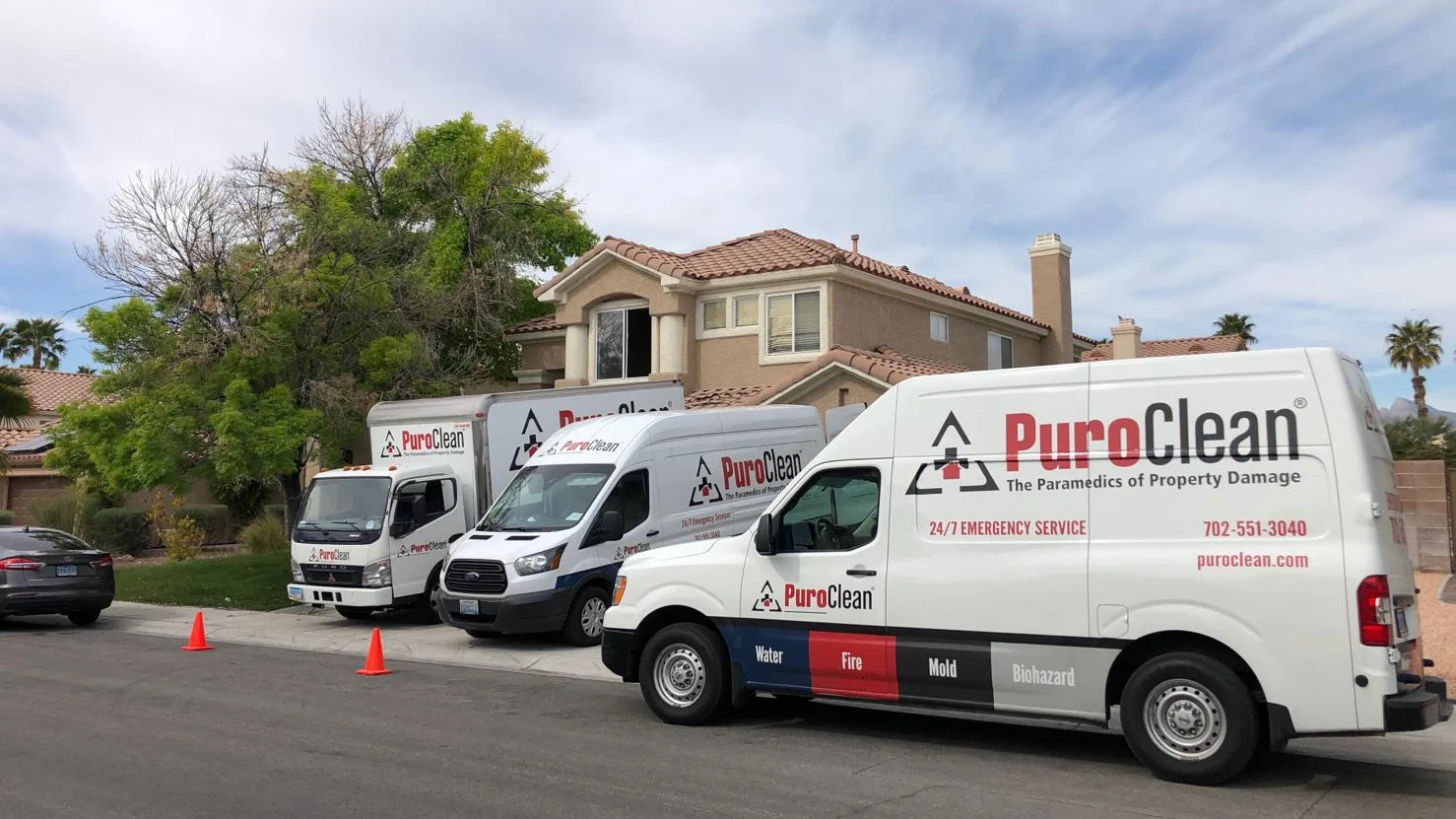
- Call a licensed fire restoration contractor. Emergency board-up and initial stabilization should happen the same day. In Spring Valley, PuroClean of East Las Vegas handles fire damage restoration at (702) 551-3040 and coordinates directly with insurance adjusters.
- Arrange temporary housing if needed. Your insurer’s additional living expense coverage kicks in from the date of loss. Do not wait to use it.
What NOT to do: do not attempt to clean soot yourself with household cleaners. Wet wiping soot without the correct technique spreads it and drives it deeper into surfaces. Do not run your HVAC system, which will circulate smoke particles through the ductwork and into every room.
What Makes Fire Restoration in Spring Valley Different from Other Areas?
Spring Valley is a dense, unincorporated community with a mix of single-family homes, townhomes, and multi-unit residential buildings. Several factors shape how fire restoration jobs play out here:
- HOA and Clark County permitting. Many Spring Valley neighborhoods, including Rhodes Ranch, have HOA requirements that govern exterior repairs and reconstruction timelines. Your contractor should be familiar with Clark County building permits and HOA approval processes before reconstruction begins.
- Multi-unit exposure. In denser areas near the Chinatown Plaza corridor, a fire in one unit can mean smoke and water damage in adjacent units. Each affected unit may have a separate insurance claim, and restoration needs to be coordinated across them.
- Desert heat and monsoon timing. September in the Las Vegas Valley brings the tail end of monsoon season. Any roof or structural opening from fire damage is vulnerable to flash flooding. Emergency tarping is not optional.
- Stucco and tile construction. Las Vegas-area homes are predominantly stucco exterior with tile roofing. Stucco can absorb smoke odor and may need cleaning or replacement depending on exposure. Tile roofing is more fire-resistant but surrounding wood decking is not.
If you want to understand how to evaluate any restoration company before hiring, How To Choose a Restoration Company walks through the questions worth asking.
Fire damage is one of the most disorienting things a homeowner can face. The structure that was your home looks and smells different, and the path back to normal is not obvious. A qualified restoration crew handles the technical work. Your job is to document, communicate with your insurer, and make sure the contractor you hire is licensed, IICRC-certified, and experienced with Clark County permitting.
About PuroClean of East Las Vegas
PuroClean of East Las Vegas is an IICRC-certified restoration company serving Spring Valley, Las Vegas, Henderson, and the surrounding Clark County communities. Their crews handle fire damage restoration, water damage restoration, mold remediation, sewage cleanup, biohazard cleanup, and contents restoration. Each PuroClean office is independently owned and operated. Some services may not be available in all offices.